
Facebook

Twitter (X)

Instagram

Somali Magazine - People's Magazine
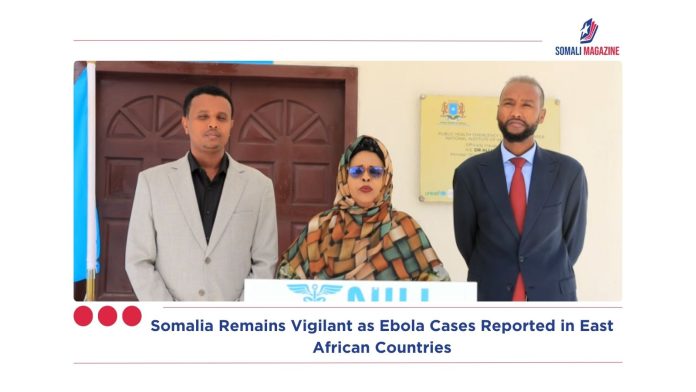
Somalia’s health authorities say they are maintaining heightened alert levels following reports of Ebola cases in parts of East Africa, underscoring the need for continued Somalia Ebola vigilance. While no confirmed cases have been reported within the country, officials stress that proximity to affected regions requires sustained monitoring and preparedness.
According to statements from the Ministry of Health Somalia, surveillance systems have been reinforced at major entry points, including airports and land borders. Health workers are being trained to identify symptoms associated with Ebola, and rapid response teams are reportedly on standby should any suspected cases emerge.
Early reports from regional health bodies indicate that isolated Ebola cases have been detected in neighboring countries, though the scale and spread remain under assessment. Authorities caution that information is evolving, and official confirmation from national governments and the World Health Organization is critical for accurate tracking.
Somalia health surveillance efforts have also focused on community awareness, with public health campaigns encouraging early reporting of symptoms such as fever, fatigue, and bleeding. Officials emphasize that early detection is essential in preventing transmission, particularly in regions with high population movement.
Experts note that Somalia’s healthcare system, while improving, still faces structural challenges that can complicate outbreak response. Limited infrastructure, resource constraints, and access issues in remote areas may affect the speed of detection and containment. However, lessons learned from previous public health emergencies have informed current preparedness strategies.
The infectious disease preparedness Somalia approach includes coordination with regional partners to monitor cross-border health risks. Health officials say information-sharing mechanisms have been strengthened to ensure timely updates on potential threats.
Analysts point out that cross-border health response measures are especially important in the Horn of Africa, where frequent travel and trade routes can facilitate the spread of infectious diseases. They stress that vigilance must be paired with practical readiness, including availability of protective equipment and isolation facilities.
At this stage, Somalia Ebola vigilance remains precautionary, with no confirmed domestic cases. Authorities continue to urge calm while emphasizing the importance of preventive measures and cooperation with health guidelines.
As the situation develops, officials say they will provide updates based on verified data, reinforcing a cautious but proactive approach to managing potential health risks.