
Facebook

Twitter (X)

Instagram

Somali Magazine - People's Magazine
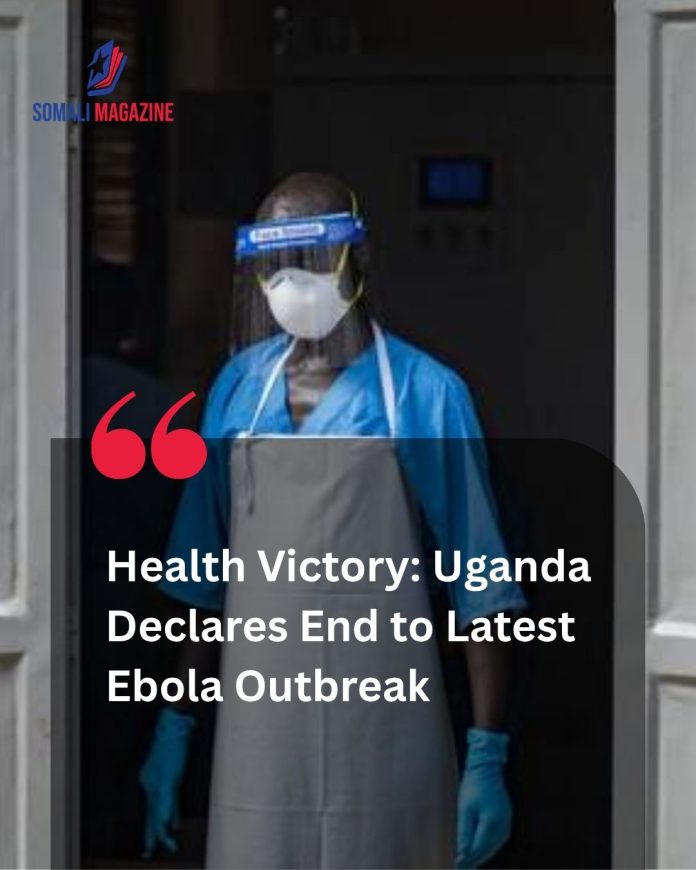
Uganda declares end to latest Ebola outbreak following comprehensive epidemiological evaluations that confirmed complete interruption of human-to-human virus transmission across all affected districts. Health Minister Chris Baryomunsi officially announced the milestone during a press briefing in Kampala, confirming that public health monitoring systems detected no new community cases following the discharge of the country’s final recovering patient. The declaration reflects successful joint intervention efforts coordinated by the Ministry of Health Kampala, regional emergency operational teams, and international technical advisers from the World Health Organization containment framework. Public health experts emphasized that the conclusive resolution relied on meticulous contact tracing, rapid laboratory diagnostics, and transparent case reporting across healthcare networks, demonstrating the country’s robust capacity to manage complex viral hemorrhagic threats.
The latest health emergency began in mid-May following the identification of an imported index case near border transit corridors, prompting immediate deployment of specialized medical teams and mobile testing laboratories. Over the course of the outbreak, health authorities registered twenty confirmed cases, including eighteen successful recoveries and two fatalities. Epidemiology units worked systematically to reconstruct complete transmission chains, mapping all contact networks and placing exposed individuals under active surveillance. Rapid deployment of infection prevention protocols in treatment facilities prevented wider secondary exposure among frontline clinical staff, while community engagement teams actively conducted public awareness campaigns to combat misinformation and encourage early reporting of symptoms.
While celebrating the outbreak’s official end, public health authorities reiterated that national surveillance networks will maintain heightened readiness, particularly along major cross-border commercial routes and entry checkpoints. Border screening procedures, digital tracking databases, and localized isolation units will remain operational to swiftly identify potential re-introductions from neighboring transit corridors. Public health leaders noted that regional cooperation remains vital to safeguarding global health security, emphasizing that rapid information sharing among East Africa epidemic surveillance systems helps minimize cross-border health risks. As public health emergency measures step down, officials reassured international travelers, investors, and local communities that routine economic activities, tourism, and cross-border trade continue operating normally under standard safety standards.
The rapid containment achieved by national health agencies highlights the vital importance of institutional experience, community trust, and sustainable healthcare investments across the region. As Uganda declares end to latest Ebola outbreak, regional health ministers and global observers point to the response as a standard for proactive outbreak management and emergency preparedness. Continued investments in laboratory capacity, localized emergency response teams, and public health infrastructure remain fundamental priorities to ensure lasting resilience against future biological threats across East Africa.