
Facebook

Twitter (X)

Instagram

Somali Magazine - People's Magazine
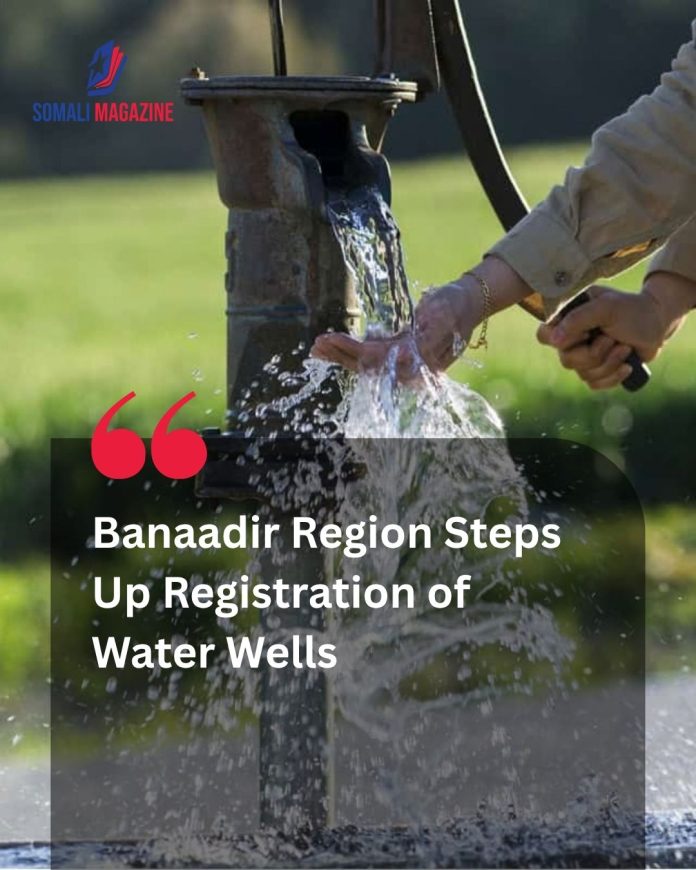
Banaadir Steps Up Registration of Mogadishu Wells, Water Companies in a decisive administrative move designed to safeguard public health and regulate the urban water distribution network. The Banaadir regional administration officially announced an intensified campaign focused on auditing, registering, and monitoring active water wells and commercial suppliers operating throughout the capital. This regulatory push seeks to ensure that water providers adhere strictly to established environmental health guidelines, safety protocols, and quality standards required for safe domestic consumption.
Municipal authorities emphasized that comprehensive oversight of underground water resources is vital for preventing contamination and protecting urban communities from waterborne health risks. With numerous private water companies and independent boreholes servicing Mogadishu’s expanding districts, local government bodies are implementing standardized tracking measures. These protocols require operators to maintain verified sanitary standards, transparent testing records, and proper licensing credentials to guarantee that distributed water meets reliable public health benchmarks.
Industry stakeholders and local water cooperatives have engaged with municipal regulators to streamline the compliance process, balancing commercial operations with community welfare. The heightened monitoring framework also integrates laboratory testing initiatives to assess chemical and biological indicators across various municipal water sources. City officials noted that cooperation from private suppliers is essential for establishing a transparent, accountable water sector capable of meeting the demands of a growing urban population.
As registration drives continue across multiple districts, the regional administration remains committed to enforcing sustained quality control measures. Strengthening regulatory oversight over local water infrastructure represents a crucial step toward long-term environmental management and public safety in the capital. Through these proactive administrative actions, authorities aim to secure clean, dependable water access for all residents while curbing unregulated distribution practices.