
Facebook

Twitter (X)

Instagram

Somali Magazine - People's Magazine
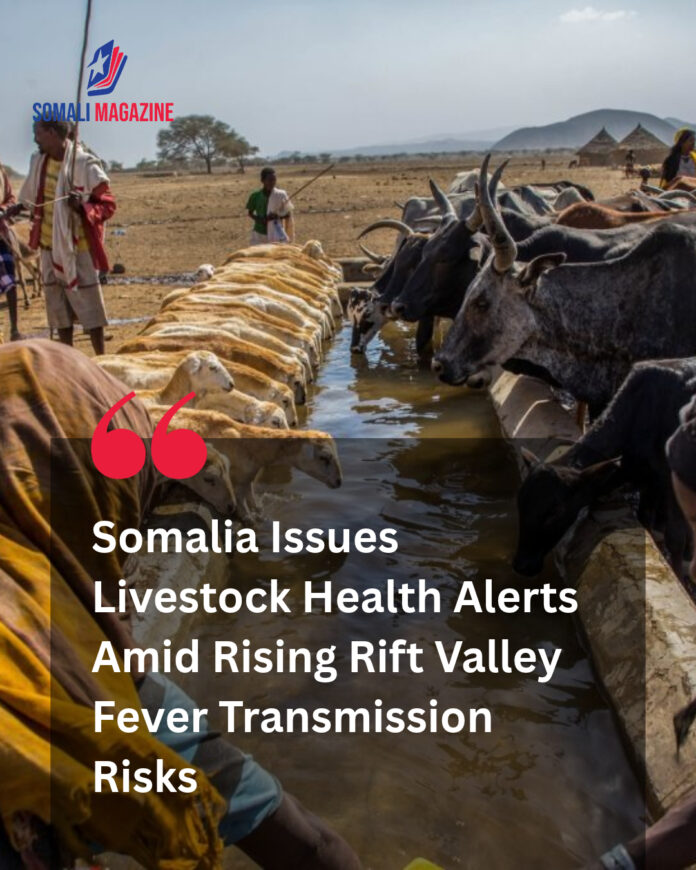
Somalia faces rising Rift Valley fever risk, threatening livestock livelihoods following recent international warnings regarding heavy seasonal rainfall and expanding vector habitats across the Horn of Africa. According to assessments issued by public health authorities and global organizations, excessive precipitation has significantly expanded potential mosquito breeding grounds throughout parts of southern Somalia, elevating the likelihood of viral transmission among ruminant herds. While current advisories emphasize a proactive regional risk picture rather than a confirmed national outbreak, veterinary experts and government agencies remain on high alert to protect pastoralist communities.
Rift Valley fever is an acute viral zoonosis that primarily affects domestic livestock such as sheep, goats, cattle, and camels, with the dangerous capability of spreading to humans through direct contact with infected animal fluids or mosquito bites. For rural households and pastoralist families who depend heavily on animal husbandry for their daily sustenance and economic stability, the potential threat extends far beyond direct animal mortality. Outbreaks in livestock frequently manifest through high rates of mortality among young animals and severe pregnancy losses, which can devastate herd productivity and cripple the commercial value of regional livestock trade.
Historical precedents underscore the gravity of these environmental warnings, as major regional epidemics have previously emerged following El Niño-associated flooding across East Africa. In response to the current climatic indicators, international health monitors note that favorable transmission conditions could persist through early 2027, necessitating sustained vigilance from veterinary institutions. Early warning systems, enhanced animal health surveillance, and robust cross-border coordination remain essential tools for tracking vector populations and safeguarding vulnerable herds before localized transmissions can amplify.
National authorities and agricultural stakeholders are currently prioritizing preventive preparedness, focusing public awareness campaigns on safe animal handling practices and targeted vaccination planning. Pastoralists are encouraged to report unexplained livestock illnesses or sudden pregnancy losses to local veterinary offices immediately to ensure rapid containment. As Somalia faces rising Rift Valley fever risk, threatening livestock livelihoods, collaborative regional efforts and strict health monitoring will be vital to protecting both rural economic security and public health across the nation.