
Facebook

Twitter (X)

Instagram

Somali Magazine - People's Magazine
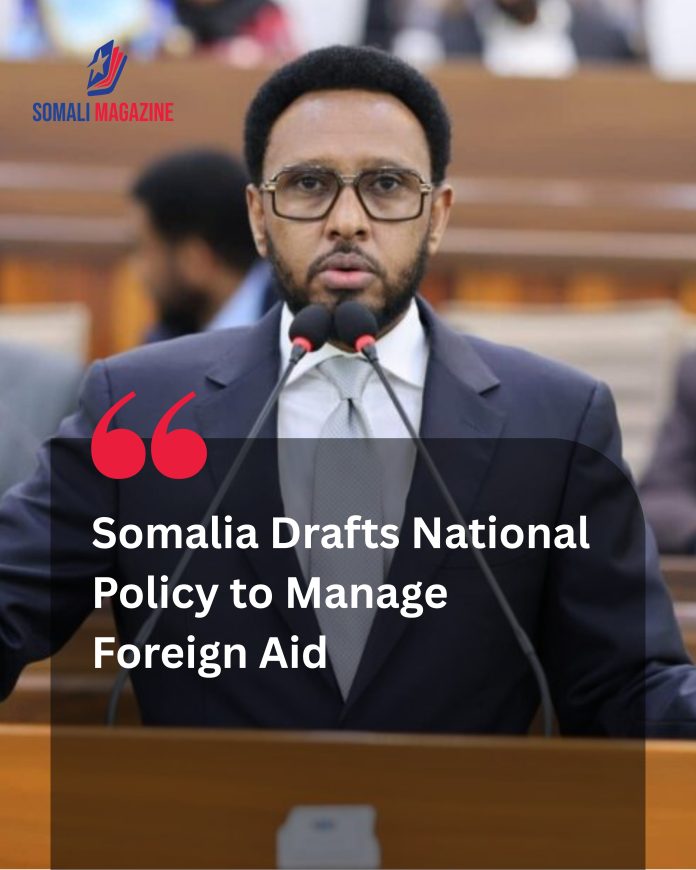
Somalia drafts national policy to manage foreign aid in a decisive move aimed at strengthening domestic financial governance and curbing persistent fragmentation across development projects. Planning Minister Mahmoud Abdirahman Beenebeene announced the legislative initiative during a high-level two-day consultation hosted in Mogadishu, bringing together federal and state planning directors, senior economic advisers, and technical experts. The proposed regulatory framework is designed to ensure that incoming international assistance strictly aligns with overarching national development priorities while establishing robust mechanisms to track project results.
Government officials emphasized that a substantial proportion of international assistance currently bypasses official national treasury mechanisms, operating largely off-budget outside direct state oversight. By introducing a standardized management policy, federal authorities intend to capture a comprehensive view of all external resource flows, ensuring that humanitarian and development funding addresses critical structural needs transparently. Experts note that past reliance on fragmented, project-based interventions often limited long-term institutional impact, making centralized coordination an essential prerequisite for sustainable economic growth and institutional resilience.
The consultative sessions focused heavily on creating collaborative pathways between federal institutions and regional member states to harmonize aid distribution across various sectors. Stakeholders reviewed mechanisms to improve reporting standards for international partners, ensuring that every disbursed dollar contributes measurably to national development goals. This strategic push forms an integral component of broader economic reforms championed by the government to enhance fiscal transparency, build administrative capacity, and transition the nation toward long-term self-reliance.
International development partners and donor agencies monitoring the Horn of Africa have largely welcomed enhanced institutional leadership in managing aid architecture. Clearer regulatory guidelines provide mutual benefits, offering donors greater accountability while empowering local ministries to direct resources where they are most urgently required. As the technical drafting committees finalize the framework, the federal government remains committed to implementing a transparent system that guarantees foreign assistance effectively transforms into lasting national progress.