
Facebook

Twitter (X)

Instagram

Somali Magazine - People's Magazine
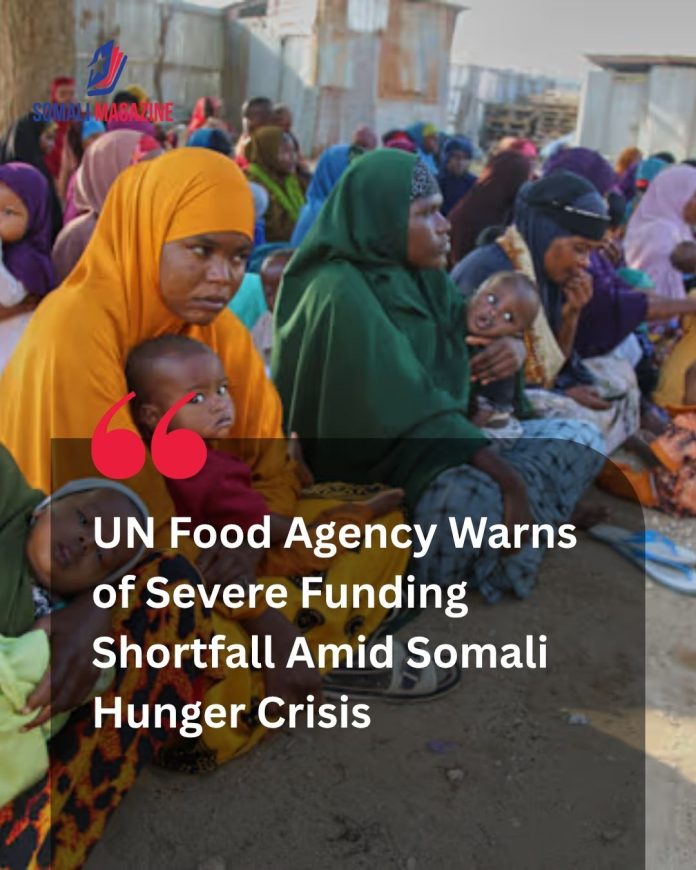
Humanitarian conditions across the Horn of Africa are deteriorating rapidly as Somalia faces another hunger crisis and the UN food agency head says it has far less funds to help compared to previous emergency interventions. During a field visit to nutrition facilities in Mogadishu, World Food Program acting executive director Carl Skau revealed that the international agency is currently operating with only ten percent of the financial resources it commanded during the severe 2022 drought. The sharp decline in international aid, driven by global donor reductions and competing global geopolitical crises, has forced relief workers to limit therapeutic distributions strictly to the most severe cases.
According to humanitarian assessments from the United Nations, approximately six million people across the country face critical levels of acute food insecurity. The agency projects that nearly 1.9 million children under age five will suffer from acute malnutrition this year, with almost 500,000 requiring immediate medical intervention for life-threatening conditions. Prolonged environmental shocks, climate volatility, escalating food prices, and persistent security challenges driven by regional insurgency continue to displace rural communities and sever traditional agricultural livelihoods.
Local medical infrastructure and community health centers are struggling under the surge of displaced families seeking emergency assistance. At the Feynuus Health Center in Mogadishu’s Kahda district, health workers report treating hundreds of women and children daily, even as neighboring nutrition clinics close due to resource exhaustion. Officials from the Somali Disaster Management Agency have described the escalating situation as extremely alarming, confirming that nearly two million citizens require immediate emergency food aid while total humanitarian funding remains less than one-third of operational requirements.
International relief officials warn that without an urgent infusion of donor capital, aid operations will remain severely constrained. High transport costs and complex security logistics continue to complicate food delivery to remote interior districts. As federal authorities and international partners seek to mobilize support, humanitarian leaders emphasize that sustained global financing remains the only viable path to preventing widespread famine across vulnerable Somali communities.