
Facebook

Twitter (X)

Instagram

Somali Magazine - People's Magazine
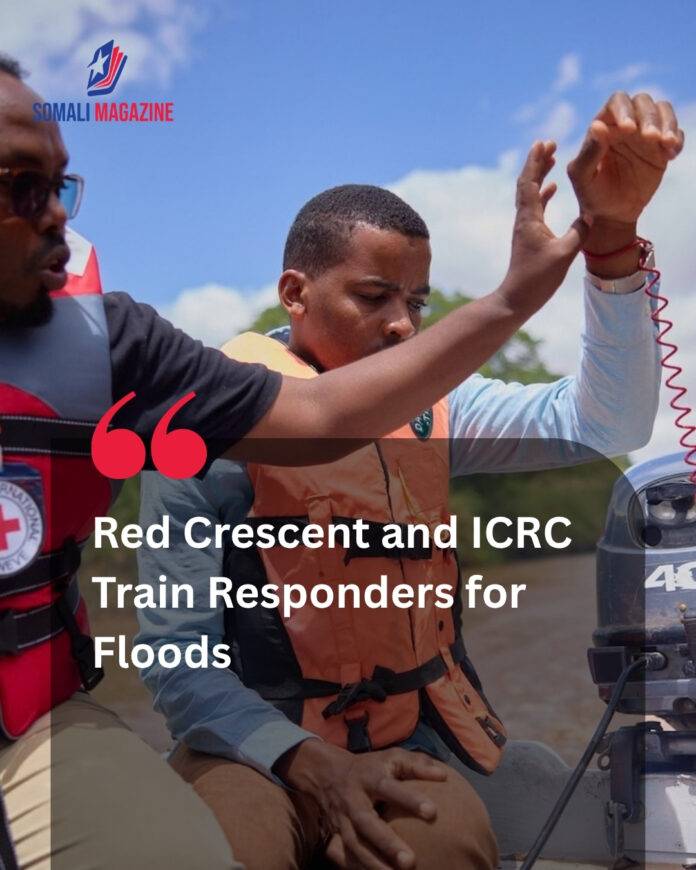
Somali Red Crescent Society, ICRC train 72 responders ahead of expected El Niño floods in a proactive push to fortify local emergency readiness across vulnerable river basins. The comprehensive training program, backed by the International Committee of the Red Cross, brought together sixty dedicated community volunteers alongside specialized staff for rigorous technical instruction. Set against the backdrop of rising seasonal weather threats, the initiative focuses heavily on mastering vital water rescue operations, motorized boat handling, and rapid communication protocols to protect at-risk populations before severe weather strikes.
Participants underwent intensive practical drills utilizing the Shabelle River as a live training ground, learning critical maneuvering techniques, engine maintenance, and safety compliance. Humanitarian coordinators emphasized that positioning skilled rescue teams ahead of potential river overflows is essential, particularly because rising waters frequently cut off roads and isolate rural settlements. The current preparedness measures build upon lessons learned from previous extreme weather events, which severely impacted millions of residents, displaced vulnerable families, and heavily damaged vital local infrastructure across large parts of the country.
International agencies and local disaster management offices have repeatedly warned that compounding climate shocks—ranging from prolonged dry spells to sudden torrential rains—create acute humanitarian challenges. With millions of Somalis already navigating food insecurity and economic hardship, impending floods threaten to destroy standing crops, contaminate water networks, and trigger secondary health emergencies. By deploying trained personnel and pre-positioning rescue equipment across high-risk corridors, humanitarian organizations aim to drastically reduce emergency response times and safeguard lives when communities face inundation.
As regional monitoring continues, humanitarian organizations and local authorities are urging residents in low-lying areas to remain vigilant, heed early warnings, and cooperate with community safety initiatives. The successful graduation of the new responders marks a critical milestone in bolstering grassroots resilience against recurring climate vulnerabilities. Sustained collaboration between local volunteers and international partners remains indispensable to protecting vulnerable livelihoods and ensuring rapid assistance reaches those most in need.