
Facebook

Twitter (X)

Instagram

Somali Magazine - People's Magazine
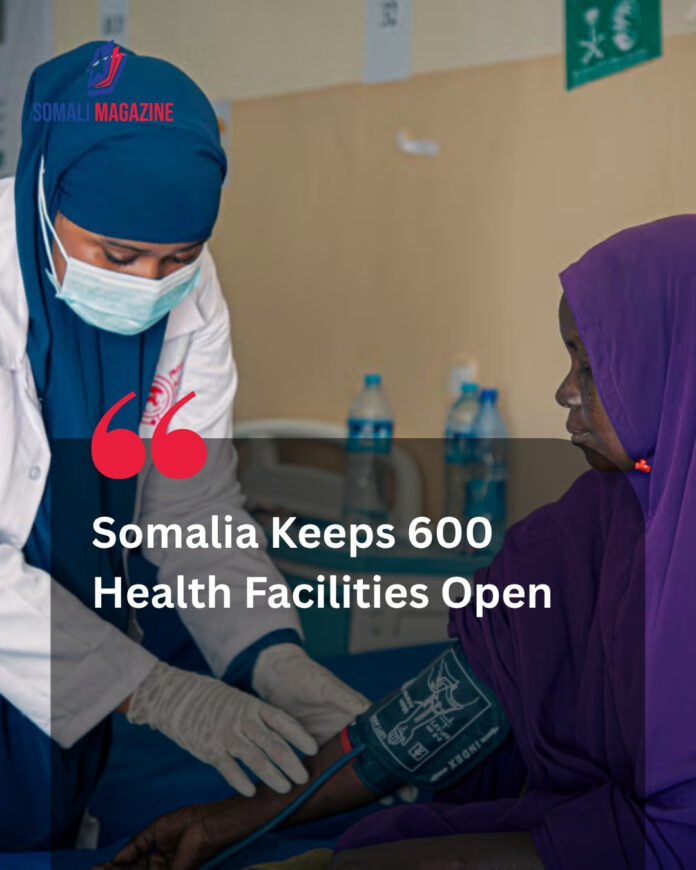
Somalia keeps nearly 600 health facilities open after emergency funding push, averting a catastrophic breakdown in the nation’s fragile medical infrastructure. Health and Social Care Minister Dr. Ali Haji Adan confirmed the critical breakthrough during a comprehensive parliamentary briefing, revealing that swift interventions successfully rescued hundreds of at-risk clinics and district hospitals from imminent closure. The facilities, which provide life-saving care across multiple regions, had faced severe operational threats due to a sharp global decline in international health assistance and donor contributions.
Addressing the Social Services Committee of Somalia’s Federal Parliament, the minister detailed the immense financial pressures currently confronting the public health sector. The successful emergency mobilization prevented widespread shutdowns that would have cut off vulnerable populations from basic medical treatments, immunization programs, and emergency interventions. Officials emphasized that maintaining continuous access to healthcare remains an absolute priority, particularly for remote communities located far away from major urban centers where alternative medical infrastructure is scarce.
Despite the ongoing financial challenges and heavy reliance on external support, the ministry highlighted notable long-term improvements achieved across the national healthcare landscape. Vaccination coverage has registered substantial growth, rising significantly from roughly forty percent to more than seventy percent over recent years. Furthermore, overall geographic access to basic health services expanded from forty-two percent to over sixty-five percent, reflecting targeted efforts to extend clinical reach into underserved districts and rural villages.
Government figures also indicate positive trends in maternal health indicators, with registered maternal mortality rates declining from 692 to 563 deaths per 100,000 births. However, leadership acknowledged that these figures remain unacceptably high and continue to demand aggressive, sustained intervention. To address these persistent gaps, the ministry is actively planning to recruit hundreds of professional midwives nationwide to bolster maternal and child health programs at the grassroots level.
Looking ahead, federal authorities are focusing on establishing sustainable domestic financing models to insulate critical health infrastructure from future international funding shocks. Lawmakers and health sector stakeholders concurred that long-term resilience requires embedding healthcare funding directly into national budgetary frameworks. As the government presses forward with institutional reforms, the successful preservation of these essential clinics ensures that thousands of citizens continue to receive uninterrupted medical care across the country.