
Facebook

Twitter (X)

Instagram

Somali Magazine - People's Magazine
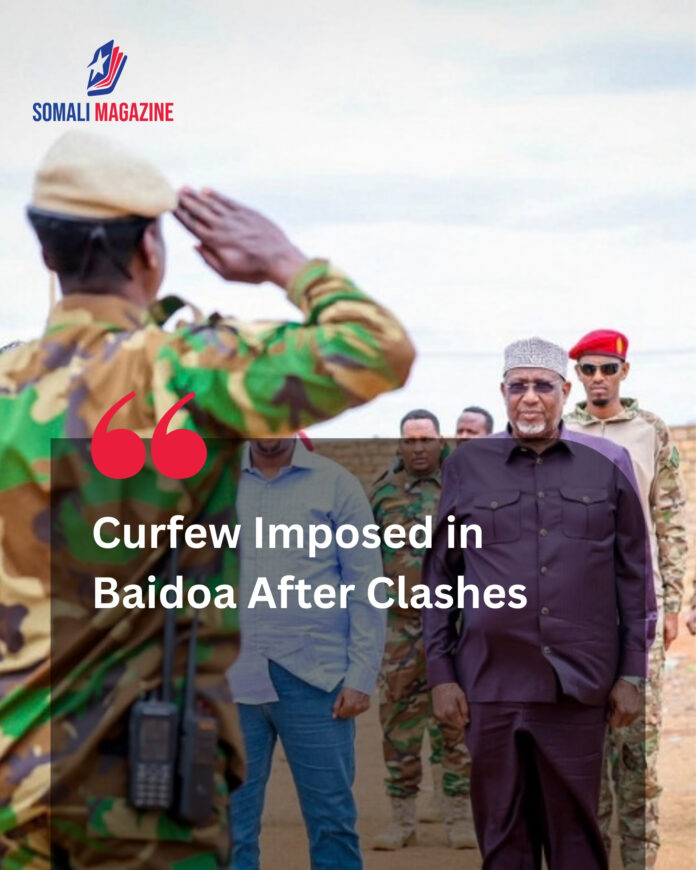
South West state imposes curfew in Baidoa after renewed clashes as regional authorities move to restore public order following a tense outbreak of armed violence in the administrative capital. Security officials announced that the newly instituted restrictions limit the movement of both people and vehicles following the evening Maghrib prayer. The emergency measure comes in response to successive waves of fighting within the city, which have heightened safety concerns for local residents, displaced communities, and businesses operating in the vital regional hub.
According to local administrative statements, the latest security protocols are designed to curb nighttime movement and prevent further confrontations involving rival factions. South West State Security Minister Isaaq Mohamed Korsaa emphasized that heightened vigilance is necessary to stabilize the urban center and protect citizens. Authorities have urged the public to cooperate fully with security forces deployed across key intersections and neighborhoods to enforce the evening lockdown and monitor volatile flashpoints.
The decision to impose the curfew follows a series of violent incidents that have severely impacted civilian areas and strained local infrastructure. Medical organizations, including Médecins Sans Frontières, have reported receiving numerous casualties from recent skirmishes, while warning that blocked routes and ongoing insecurity complicate emergency response efforts. Humanitarian agencies continue to stress the urgent need for unhindered medical access and the protection of healthcare personnel operating in conflict-affected zones.
Political analysts note that the recurring security disruptions underscore broader political disagreements regarding local governance and regional leadership. International partners and civil society groups have repeatedly called for peaceful dialogue to resolve underlying tensions and prevent further escalation. As the curfew takes effect, federal and regional stakeholders face mounting pressure to foster long-term stability and ensure that civil disputes are addressed through institutional channels rather than armed confrontation.