
Facebook

Twitter (X)

Instagram

Somali Magazine - People's Magazine
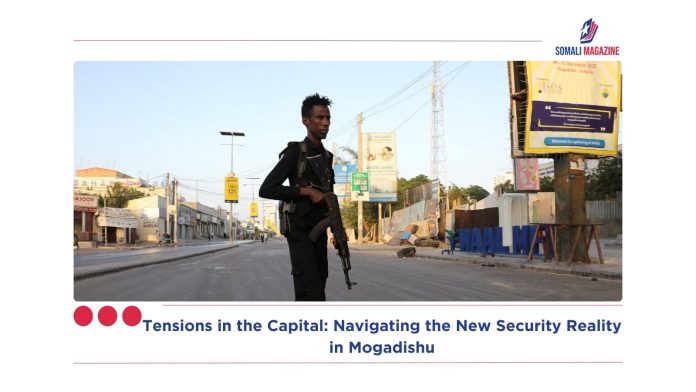
The security situation in Somalia has taken a critical turn following an outbreak of heavy urban warfare in the nation’s capital. Streets that normally bustle with commerce have recently transformed into active battlefields, fundamentally altering daily life for residents of Mogadishu. Armed confrontations between federal government forces and opposition-allied militias have echoed through several key neighborhoods, prompting thousands of civilians to flee their homes in search of safety. Observers note that these latest Mogadishu clashes represent a significant escalation in a city that has spent years working toward stability and institutional renewal.
At the heart of the current unrest is a deep constitutional impasse that has severely strained relations between the administration and rival factions. Political tensions reached a boiling point after the expiration of the official executive mandate, leading to sharp disagreements over the national electoral roadmap. While opposition figures accuse the leadership of attempting to centralize power unconstitutionally, state authorities have rejected these allegations, maintaining that their operations are aimed at neutralizing organized attacks by armed groups. Local police officials state that security personnel are actively working to restore order, though independent reporting indicates that heavy weapons have been deployed within densely populated civilian zones.
The sudden volatility in the capital complicates an already delicate national security architecture. For years, local forces alongside international partners have focused primary resources on countering the long-standing al-Shabaab insurgency in peripheral regions. This internal political friction threatens to divert vital military assets away from those counter-insurgency fronts. Prominent local figures, including former government ministers, have publicly raised alarms regarding the humanitarian toll of using heavy artillery in residential areas, warning that structural damage to businesses and infrastructure could stall economic progress.
Amid the ongoing uncertainty, diplomatic actors have moved quickly to advocate for a peaceful resolution. The United Nations, the United States, and the European Union have issued coordinated appeals calling on all sides to show immediate restraint, cease hostilities, and protect civilian lives. Early reports indicate that initial mediation efforts led by national intelligence officials have managed to secure a temporary lull in the fighting. However, experts emphasize that a lasting solution will require both side to return to formal political dialogue to address the underlying legislative disputes before the fragile security gains of the past decade are completely undone.