Facebook

Twitter (X)

Instagram

Somali Magazine - People's Magazine
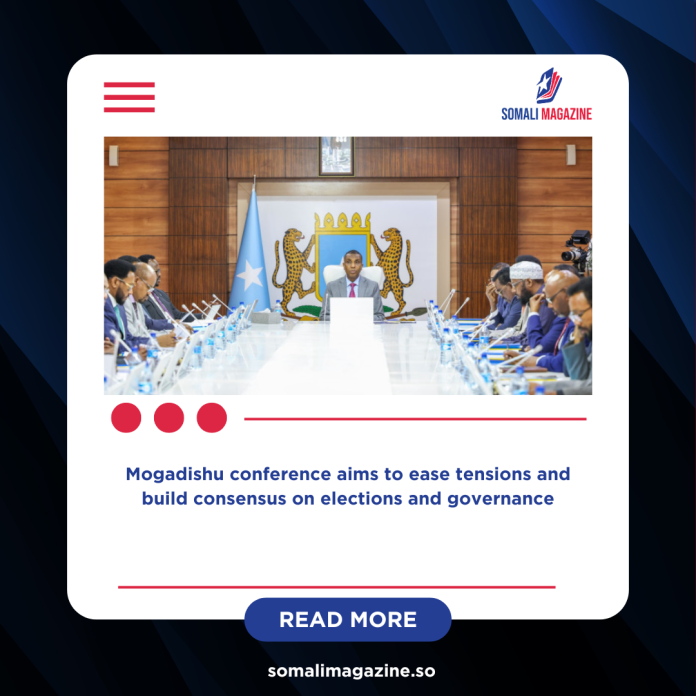
Somalia’s federal government has invited the Somali Future Council, a major opposition alliance, to take part in a multi-day national conference in Mogadishu aimed at advancing discussions on the country’s political future, especially ongoing disputes around elections. The move comes at a time of rising political tension, as leaders face pressure to agree on an electoral roadmap that can guide the country toward a more stable and inclusive system.
The invitation was announced late Monday in a statement from the Office of Prime Minister Hamza Abdi Barre. It signals a cautious effort by the government to open dialogue with opposition groups after weeks of public disagreements over governance, election timelines and decision-making authority. The statement said the planned talks are part of President Hassan Sheikh Mohamud’s earlier promise to launch a broad national consultation process that brings together key political actors to discuss Somalia’s direction.
According to the government, the conference is intended to strengthen national unity and social cohesion at a time when political divisions are becoming more visible. Officials say the discussions will focus on building a democratic process based on consultation, compromise and mutual understanding, while ensuring that the voices of ordinary citizens are reflected in decisions that will shape the country’s future. The government has emphasized that dialogue, rather than confrontation, remains its preferred way of resolving disagreements.
The talks will be organized under the supervision of the Minister of Justice and Constitutional Affairs, Hassan Moallim, who will coordinate preparations on behalf of the government. The Somali Future Council is expected to nominate its own representatives to participate in shaping the agenda and structure of the discussions. Both sides are expected to work together to ensure the talks are orderly, focused and aimed at producing practical outcomes rather than symbolic gestures.
Officials have confirmed that the conference will take place in Mogadishu and will last several days, with a formal opening scheduled for February 1. The choice of the capital as the venue reflects the government’s desire to keep the process within official national institutions, while also signaling that the talks are meant to address issues affecting the entire country rather than specific regions.
The invitation follows an opposition meeting held in Kismayo several weeks ago, where members of the Somali Future Council and other political figures called on the federal government to convene inclusive talks before January 20. During that meeting, opposition leaders raised concerns about the electoral process, proposed timelines and the mechanisms needed to reach a political agreement that would be acceptable to all major stakeholders. They warned that moving ahead without broad consensus could worsen divisions and undermine stability.
Opposition figures have repeatedly expressed fears that delays, unclear plans or unilateral decisions by the federal government could deepen mistrust between political actors and risk pushing the country into another period of uncertainty. They argue that Somalia’s past experiences show that elections carried out without wide agreement often lead to disputes, protests and fragile compromises that fail to address underlying problems.
The federal government, for its part, has maintained that it remains committed to dialogue and national consensus. Officials say the invitation to the Somali Future Council demonstrates a willingness to listen to opposing views and find common ground, even on sensitive issues such as the electoral model, power-sharing arrangements and the relationship between the central government and regional states.
Somalia is currently at a critical political crossroads. The country is trying to move toward a more inclusive and credible electoral system while managing long-standing tensions between federal institutions, regional administrations and opposition groups. Previous election cycles have been marked by delays, disagreements and last-minute deals that exposed deep divisions within the political system.
Monday’s invitation appears to be a careful attempt to lower tensions and reopen channels of communication. However, it remains uncertain whether the upcoming talks will be able to bridge deep differences over election timelines, voting models and the balance of power between Mogadishu and the regions. Much will depend on the willingness of all sides to compromise and prioritize national stability over short-term political interests.