
Facebook

Twitter (X)

Instagram

Somali Magazine - People's Magazine
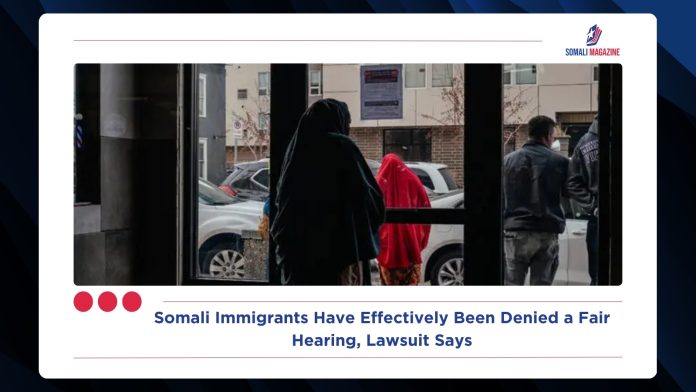
Somali immigrants have effectively been denied a fair hearing, according to a new lawsuit that is raising serious questions about the fairness and integrity of the immigration court system handling their cases.
Filed by a coalition of legal advocacy groups, the immigrant rights lawsuit alleges that Somali asylum seekers and other migrants have faced systemic barriers that undermine their ability to present their cases fully. These challenges reportedly include limited access to legal representation, rushed hearings, and language interpretation issues that affect understanding of proceedings.
The claim that Somali immigrants have effectively been denied a fair hearing comes amid broader scrutiny of immigration systems in several Western countries, particularly regarding how asylum cases are processed. Lawyers involved in the case argue that due process violations have disproportionately affected vulnerable communities, including the Somali diaspora, many of whom are fleeing conflict, instability, and persecution.
According to court filings, some applicants were given insufficient time to prepare their cases or were subjected to expedited procedures that limited their ability to gather evidence. Legal experts note that such practices could significantly impact the outcomes of asylum claims, where detailed personal testimony and documentation are often critical.
Advocates also highlight concerns about the immigration court system itself, pointing to backlogs and administrative pressures that may contribute to procedural shortcomings. In some instances, they argue, the urgency to process cases quickly may come at the expense of fairness, particularly for applicants unfamiliar with legal systems or facing language barriers.
Government officials have not publicly commented in detail on the lawsuit but have previously maintained that immigration processes are conducted in accordance with the law. Authorities often emphasize that asylum systems are designed to balance humanitarian protection with national immigration policies. However, critics argue that ensuring fairness must remain central, especially in cases involving individuals seeking refuge.
The lawsuit’s backers are calling for reforms to address what they describe as systemic flaws, including improved access to legal counsel, better interpretation services, and more time for applicants to present their claims. They contend that without these changes, the risk of wrongful deportations or unjust denials remains high.
For many Somali families navigating the asylum process, the stakes are deeply personal. The outcome of such legal challenges could shape not only individual futures but also broader perceptions of justice within immigration systems. As the case moves forward, it is likely to intensify debate around how countries uphold due process while managing complex migration flows.