
Facebook

Twitter (X)

Instagram

Somali Magazine - People's Magazine
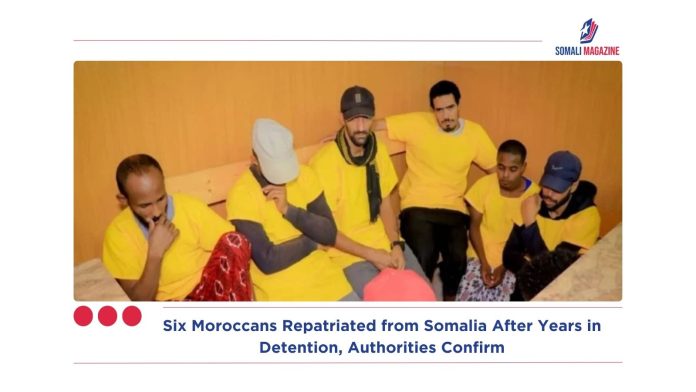
Six Moroccans repatriated from Somalia have returned home after spending more than two years in detention, according to statements from Moroccan authorities. The development has drawn attention to the complexities of consular assistance and legal coordination between countries with limited formal diplomatic engagement.
Officials from Morocco’s Ministry of Foreign Affairs confirmed that the individuals were transferred back to Morocco following what they described as prolonged legal and administrative procedures. While specific details about the charges or circumstances of their detention have not been fully disclosed, authorities indicated that the repatriation was carried out in coordination with Somali counterparts.
Early reports suggest the detainees had been held in Somalia since around 2023, though the conditions and legal status of their detention remain unclear. Moroccan officials stated that consular efforts had been ongoing throughout the period, involving negotiations, legal follow-ups, and logistical planning to facilitate their return. According to government statements, such cases often require sustained engagement due to differences in legal systems and limited diplomatic channels.
Somalia’s federal authorities have not publicly provided detailed accounts of the case, and it remains uncertain under what specific legal framework the individuals were held. Analysts note that detainees in Somalia can face prolonged legal timelines, particularly in cases involving security concerns or unclear jurisdictional processes. Without full disclosure, it is difficult to independently verify the exact nature of the charges or proceedings.
The case has also highlighted broader questions around Morocco Somalia relations, which are relatively limited compared to Morocco’s ties with other African states. Experts suggest that repatriation efforts in such contexts can be especially complex, often relying on ad hoc diplomatic arrangements rather than established bilateral agreements.
Human rights observers frequently point to the challenges faced by foreign detainees in regions where legal infrastructure may be under strain. While there has been no official indication of mistreatment in this case, advocacy groups generally stress the importance of transparency, access to legal representation, and timely judicial processes for detainees.
Moroccan authorities have emphasized that protecting citizens abroad remains a priority, noting that consular assistance Morocco provides typically includes legal support, coordination with local authorities, and repatriation when possible. The return of the six individuals, officials say, reflects sustained diplomatic efforts over an extended period.
For now, further details are expected to emerge as authorities provide additional clarification. Observers caution that until more verified information is released, key aspects of the case, including the legal basis for detention and the conditions faced by the detainees, remain only partially understood.