
Facebook

Twitter (X)

Instagram

Somali Magazine - People's Magazine
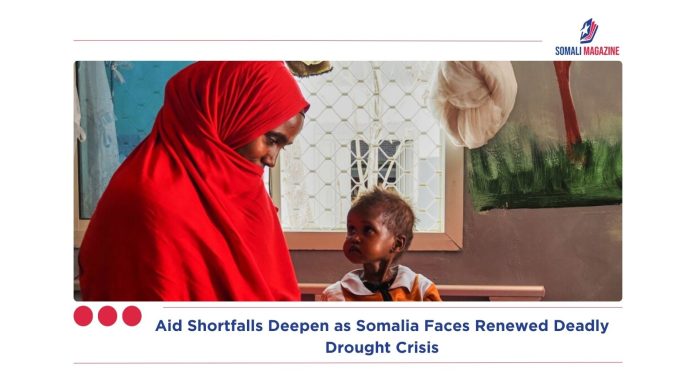
Somalia is once again facing a severe drought, with humanitarian agencies warning that reduced aid flows are leaving millions increasingly vulnerable. The Somalia drought crisis, driven by repeated failed rainy seasons and rising temperatures, is unfolding at a time when global funding for relief efforts appears to be under significant strain.
According to recent statements from international organizations including United Nations Office for the Coordination of Humanitarian Affairs, large parts of the country are experiencing acute water shortages and declining agricultural output. Early assessments suggest that rural communities dependent on livestock and farming are among the hardest hit, as pastures dry up and water sources become scarce.
Humanitarian groups report that food insecurity Somalia levels are rising, with millions at risk of hunger. However, aid agencies say the scale of response is not matching the level of need. Reports indicate that funding gaps have forced some organizations to scale back operations, limiting access to food distribution, clean water, and medical support in affected regions.
The current drought follows a pattern of climate shocks across the Horn of Africa, where prolonged dry conditions have become more frequent. Experts in the climate crisis Horn of Africa warn that such cycles are eroding community resilience, leaving households less able to recover between crises. In Somalia, this has translated into repeated displacement, loss of livelihoods, and increased dependence on external assistance.
Government officials have acknowledged the severity of the situation and have called for greater international support. However, coordination challenges and limited resources continue to affect the reach of relief efforts. In some areas, insecurity has also restricted access, further complicating humanitarian operations.
Analysts note that the humanitarian aid Somalia shortage reflects broader global trends, where competing crises have stretched donor resources. While Somalia has historically received significant international support during droughts, current funding levels appear lower compared to previous emergencies, according to early reports from aid agencies.
Despite these challenges, organizations on the ground continue to emphasize the urgency of scaling up assistance. They warn that without immediate intervention, conditions could deteriorate further, particularly for children and vulnerable populations.
As the Somalia drought crisis intensifies, the gap between humanitarian needs and available resources remains a central concern. Observers stress that timely action will be critical in preventing a deeper emergency, even as long-term solutions to climate resilience and food security remain essential.