
Facebook

Twitter (X)

Instagram

Somali Magazine - People's Magazine
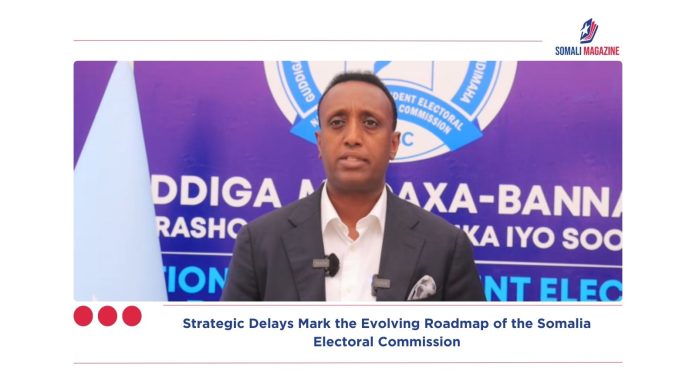
The Somalia electoral commission has officially announced strategic adjustments to its upcoming operational calendar, shifting the anticipated timelines for regional voting exercises. This decision directly impacts the highly anticipated local council, parliamentary, and administrative selections within both the Galmudug State and the strategically vital Banadir region. According to official statements from the independent body, the revised framework aims to address logistical bottlenecks, finalize comprehensive voter registration datasets, and ensure a more stable environment for democratic participation. Observers note that altering the Galmudug and Banadir election timelines reflects the complex realities of implementing broad electoral reforms across diverse federal member states. The announcement comes at a critical juncture as national leaders attempt to transition the country away from historical clan-based selection frameworks toward a standardized universal suffrage model.
In recent months, technical preparations have progressed at varying speeds across different administrative zones, creating a mismatched operational landscape. While certain districts have successfully concluded initial voter registration phases, others continue to grapple with logistical hurdles, infrastructure gaps, and localized security challenges. Officials from the electoral authority emphasized that rushing the process without solidifying the necessary administrative foundations could compromise the integrity of the eventual results. In the capital region of Banadir, which includes the metropolitan hub of Mogadishu, local governance initiatives remain sensitive to shifting timelines due to the sheer volume of registered participants and the intricate balance of local representation requirements. Similar dynamics are visible in Galmudug, where local council organization and security arrangements require deep collaboration between regional authorities and federal coordinators.
The decision to modify these provincial roadmaps has generated significant discussion among political associations, civil society networks, and international stakeholders who monitor the democratic transition. While some political actors view the delays as a pragmatic response to clear operational constraints, other opposition coalitions have expressed reservations, calling for greater transparency regarding the precise technical criteria used to establish the new dates. The independent commission has reiterated its commitment to managing a transparent, legally consistent process, urging all participating factions to maintain constructive dialogue rather than allowing administrative changes to deepen political polarization. Observers emphasize that navigating these procedural adjustments successfully will require a high level of consensus among federal and regional leadership to prevent institutional gridlock. As the country moves forward with these revised regional voting schedules, the focus remains firmly fixed on whether the extended preparatory windows will effectively resolve the systemic challenges that have traditionally complicated the modern electoral history of the nation.