
Facebook

Twitter (X)

Instagram

Somali Magazine - People's Magazine
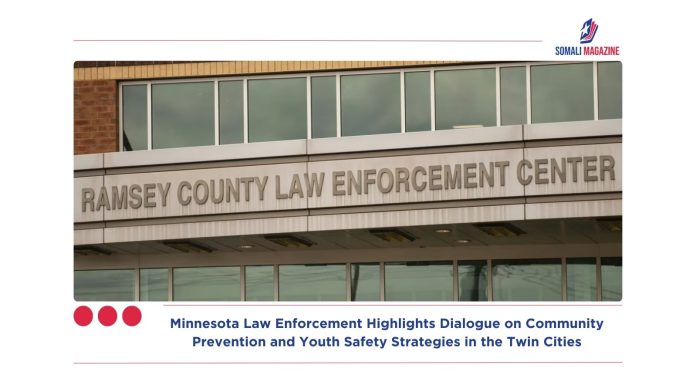
Recent discussions surrounding Twin Cities gang intervention efforts have intensified following public statements from regional law enforcement officials highlighting localized safety concerns regarding a small fraction of area youth. Ramsey County Sheriff Bob Fletcher addressed these issues during a recent digital broadcast, drawing attention to a double shooting near the Quarry Shopping Center in northeast Minneapolis as an indicator of a broader trend. According to data released by the sheriff’s office, the region has seen fourteen homicides and over one hundred shootings within the last two years connected to local gang activity. While presenting these figures, law enforcement personnel emphasized that the criminal activities are driven by an isolated group of approximately three hundred individuals, rather than reflecting the broader population of the vibrant East African diaspora in Minnesota.
To address these growing public safety concerns, the sheriff’s department has launched specialized youth prevention programs designed to align with broader Twin Cities gang intervention efforts and foster direct dialogue with local residents and community leaders. Investigators within the department, including Benjamin Seidl and Jama Shine, have actively engaged with Somali-American families to provide educational resources regarding the signs of gang involvement. Officials noted that many parents are completely unaware that their children have been targeted or recruited by illicit networks. By organizing outreach sessions and establishing personal connections with community influencers, regional authorities hope to build a collaborative defense against youth radicalization and violence, culminating in a scheduled community-wide forum on July 21 in Arden Hills to encourage transparent civic participation. Law enforcement emphasizes that proactive reporting and early intervention from trusted community pillars remain the most effective methods to safeguard vulnerable adolescents from localized exploitation.
However, the public framing of these enforcement initiatives has sparked a critical debate among local lawmakers and community advocates regarding the potential for negative stereotyping. Minneapolis City Council Member Jamal Osman publicly expressed disappointment with the sheriff’s public characterization, arguing that regional public platforms should focus on providing constructive support rather than broad labels. Community advocates maintain that local youth urgently require proactive economic investment, educational opportunities, and dignity to effectively counter systemic challenges. This division highlights a long-standing tension in the metropolitan area between traditional law enforcement methodologies and grassroots demands for comprehensive social reform. Furthermore, community leaders argue that isolating specific ethnic identifiers during public briefings risks marginalizing families who are themselves the primary victims of neighborhood violence. As technical working groups and community organizations prepare for upcoming public forums, the ongoing dialogue emphasizes the complex challenge of balancing robust crime prevention with the cultural preservation and mutual respect of the diverse communities defining the modern Twin Cities landscape.