
Facebook

Twitter (X)

Instagram

Somali Magazine - People's Magazine
Over the past two months, scenes from Minneapolis have felt tense and unsettling. Armed Immigration and Customs Enforcement (ICE) agents in masks have faced off with local residents protesting in the streets. While officers carried pepper spray and tear gas, many protesters came with phones, signs, whistles — and even food to share.
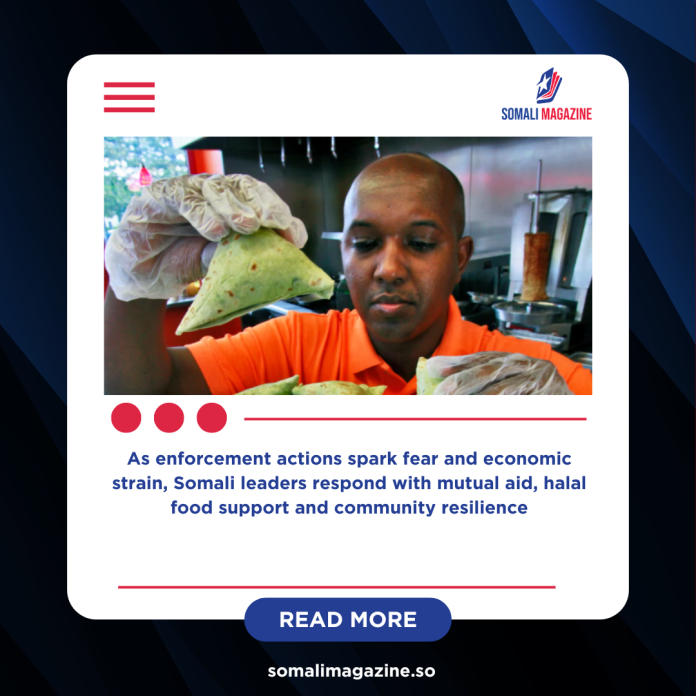
For members of the Somali community, food became a symbol of peace and unity. Fatoun Ali and other community leaders chose sambusa as their way of responding to rising hostility. Sambusa is a popular East African snack — a crispy, triangular pastry filled with spiced meat or vegetables. Before the situation escalated, Ali and volunteers distributed hundreds of sambusas near community centers, hoping to introduce neighbors to Somali culture and reduce tension.
Ali, who has lived in Minnesota for 20 years, said food plays a powerful role in Somali traditions. Meals are shared during special gatherings and religious holidays, especially during Ramadan when families break their fast together at sunset. At a time when Somali residents were being labeled unfairly and targeted by harsh rhetoric, she said offering food was a way to open doors and create safe conversations.
Along with sambusas, volunteers handed out pamphlets explaining people’s legal rights and whistles for safety. At first, many believed that documented immigrants would be protected. But as enforcement actions increased, fear spread throughout the community regardless of immigration status. Businesses shut down temporarily. Some people were too afraid to go to work. Families struggled to pay rent and buy groceries.
Ali quickly shifted her nonprofit’s focus toward emergency food support. Through the Somali Youth and Family Development Center, she expanded food distribution efforts to help families in need. Drawing from her own experience growing up during civil war and knowing what hunger feels like, she said her instinct was simple: feed people.
Today, her organization delivers halal groceries — including meat, rice, flour, dates and spices — to more than 400 people every week. Volunteers help shop, pack and deliver the food. These efforts have been especially important during Ramadan, when families rely on specific cultural foods. Even as federal enforcement activity slows down, the emotional impact remains.
Local leaders say the financial and psychological toll has been heavy. Reports estimate that immigrant-owned businesses in the Twin Cities lost tens of millions of dollars over two months. But beyond money, many residents describe lasting fear and anxiety.
Jamal Hashi, a chef and nutritionist who has lived in Minneapolis for more than three decades, said the situation reopened old wounds for refugees who once fled violence in Somalia. He recently partnered with Second Harvest Heartland to help distribute halal groceries through trusted community networks. In his spare time, he personally delivers hot meals from immigrant-owned restaurants to families who are too afraid to leave home.
Minnesota became home to one of the largest Somali populations in the United States after many refugees arrived in the early 1990s. Over the years, the community has built businesses, cultural centers and political influence. Karmel Mall — often called “Little Mogadishu” — is the largest Somali shopping center in the country. In 2018, Ilhan Omar became the first Somali American elected to Congress.
Still, recent controversies have added to public scrutiny. A major fraud case involving pandemic child-nutrition funds brought negative attention to parts of the community. Some believe that viral social media claims about alleged daycare fraud increased tension and may have contributed to enforcement actions.
Business owners have also felt the pressure. Abdirahman Kahin, owner of Afro Deli & Grill, temporarily closed two of his four restaurant locations after encounters with ICE officers who requested employee records. Kahin said the visits felt intimidating. Yet he continues to support the community through food distribution, a mission he began during the COVID-19 pandemic when his team helped serve over a million meals in partnership with relief organizations.
Despite the hardship, Somali leaders say community solidarity has grown stronger. People from different backgrounds across Minnesota have volunteered, donated and stood in support. For Ali, that solidarity is what matters most. She says the love shown by neighbors outweighs the hate they have faced.
Minnesota, she insists, is home. And no matter the challenges, the Somali community is here to stay.