Facebook

Twitter (X)

Instagram

Somali Magazine - People's Magazine
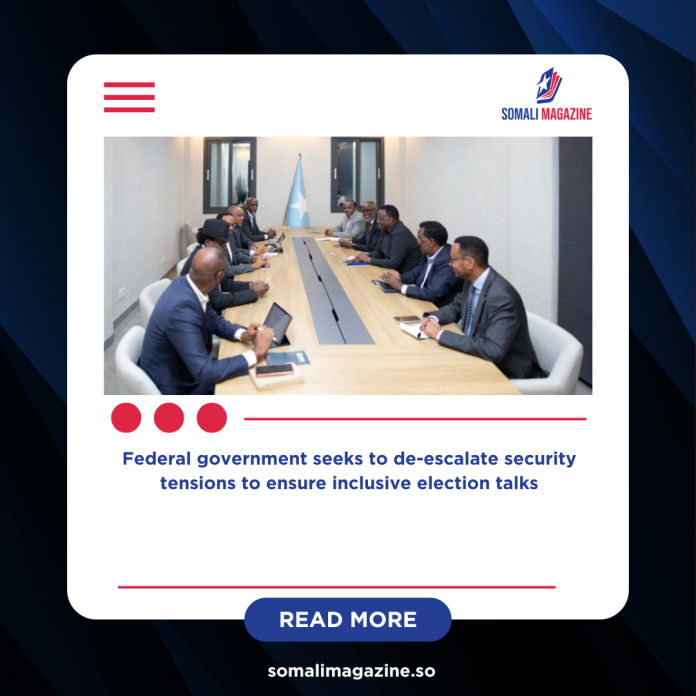
In a significant move to address rising political friction, Somalia’s federal government has publicly reaffirmed its dedication to national unity and inclusive dialogue. This statement arrives at a delicate moment, as the country prepares for critical election talks while navigating a heated dispute with the regional administrations of Jubaland and Puntland. The central government maintains that open conversation is the only viable path to resolving the nation’s political differences and ensuring a stable future.
To facilitate this, the government established a Federal Government Technical Committee. This group was tasked with moving beyond discussions among political elites to include intellectuals and representatives from various social sectors. According to officials, the committee has already met with the Future Council to finalize procedural arrangements for upcoming consultative meetings. The goal is to ensure the process remains orderly, well-prepared, and genuinely representative of the Somali people’s interests.
However, the road to consensus has been bumpy. The government recently acknowledged disruptions to the process, including an unspecified incident on February 1, 2026, and travel delays involving certain delegates. Despite these setbacks, federal leaders insist they remain committed to a process built on mutual respect and the national interest, especially given the country’s ongoing humanitarian crises and the persistent security threat posed by al-Shabab.
The tension reached a boiling point just days ago when Jubaland and Puntland accused the federal government of “hostile” behavior. The two regional states claimed that aircraft carrying their presidential security teams were blocked from landing at Mogadishu’s Aden Adde International Airport. Even though the flights had reportedly received prior clearance, they were ordered to turn back to Kismayo and Garowe mid-flight. Regional leaders expressed outrage, stating the move was politically motivated and dangerous, as the planes were forced to return without guaranteed fuel safety.
From the federal perspective, the issue was one of security and protocol. Sources in Mogadishu explained that an agreement was originally in place to allow each regional president a specific number of security personnel—roughly 30 uniformed and ten plainclothes officers. The federal government accused Jubaland and Puntland of trying to bypass this agreement by bringing more than 100 soldiers each, which raised serious security alarms in the capital.
In an effort to de-escalate the situation and keep the election talks on track, federal sources now indicate a willingness to compromise. The government has signaled that it is prepared to allow the regional leaders to bring their preferred number of security personnel. This shift suggests a desire to remove logistical hurdles and focus on the broader political impasse.
Ultimately, this standoff illustrates the thin layer of trust between Somalia’s central authority and its federal member states. As the country faces a complex landscape of electoral delays and security challenges, the success of these upcoming talks depends heavily on whether both sides can move past these tactical disputes and focus on a shared vision for the nation.