Facebook

Twitter (X)

Instagram

Somali Magazine - People's Magazine
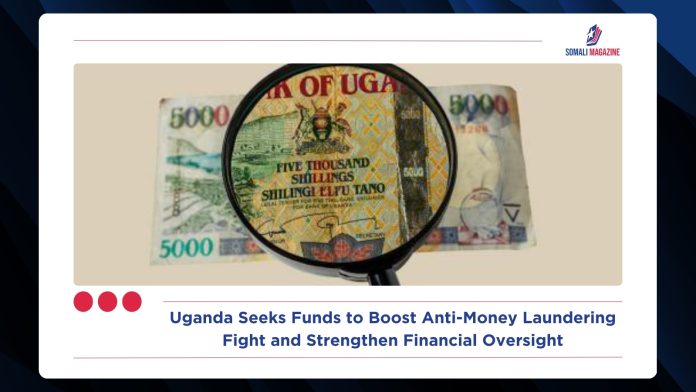
Uganda seeks funds to boost anti-money laundering fight as authorities intensify efforts to strengthen the country’s financial oversight systems and align with international standards on combating financial crime. Officials say additional resources are needed to reinforce institutions responsible for detecting and preventing illegal financial flows that can undermine economic stability.
The move comes as Uganda faces increasing pressure to demonstrate stronger compliance with global anti-money laundering regulations. Governments around the world have been tightening financial monitoring systems to curb illicit activities such as corruption, terrorism financing, and organized crime. In this context, Uganda seeks funds to boost anti-money laundering fight by expanding investigative capacity and modernizing monitoring tools used by financial regulators.
Uganda’s financial intelligence authorities have emphasized that tackling complex financial crimes requires advanced technology, trained personnel, and improved coordination between government agencies and financial institutions. Experts say strengthening anti-money laundering Uganda frameworks will also help protect the country’s banking sector from reputational risks that could limit international financial partnerships.
The push for stronger financial oversight has also been influenced by global organizations that monitor compliance with financial transparency standards. Bodies such as the Financial Action Task Force (FATF) regularly evaluate countries’ anti-money laundering systems, and governments that fail to meet these standards may face restrictions affecting international trade and investment.
Officials involved in the Uganda financial crime crackdown say improving regulatory capacity is essential to ensuring that the country’s financial institutions remain integrated with global banking networks. Without robust monitoring systems, banks may face greater scrutiny from international partners concerned about illicit financial flows.
Authorities also argue that strengthening financial regulation reforms in Uganda will support broader economic growth by improving investor confidence. Transparent financial systems help create a more predictable business environment, which can attract foreign investment and facilitate regional trade within East Africa.
The government has indicated that part of the funding request will go toward upgrading digital monitoring platforms used to track suspicious financial transactions. Analysts say such tools are increasingly important as financial crimes become more sophisticated and cross-border in nature.
At the same time, policymakers stress that collaboration with regional partners is crucial. East Africa financial transparency initiatives often involve cooperation between neighboring countries, particularly when addressing crimes that move funds across multiple jurisdictions.
Observers note that the fact Uganda seeks funds to boost anti-money laundering fight reflects a broader trend across Africa, where governments are strengthening financial oversight systems in response to evolving global standards. As financial systems become more interconnected, countries are under greater pressure to ensure that regulatory institutions have the capacity to detect and prevent illicit financial activities.
If implemented effectively, these reforms could help Uganda reinforce its financial credibility while strengthening the resilience of its banking and regulatory systems in an increasingly complex global financial landscape.