
Facebook

Twitter (X)

Instagram

Somali Magazine - People's Magazine
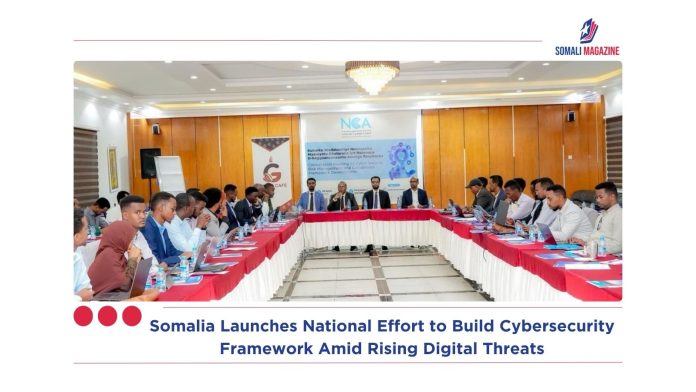
Somalia has launched a coordinated national effort to build a comprehensive cybersecurity framework, as authorities seek to strengthen digital security amid rapid technological growth and rising cyber threats. The initiative brings together new legislation, institutional reforms, and capacity-building programmes aimed at protecting the country’s expanding digital infrastructure.
The Somalia cybersecurity framework push follows the approval of a Cybersecurity Law by parliament in January 2026, which officials describe as a cornerstone for regulating and securing digital systems. The law establishes clear roles for government agencies, including the Ministry of Communications and the National Communications Authority, while setting out mechanisms for preventing and responding to cyber incidents.
As part of implementation efforts, the government has launched the Somalia Computer Incident Response Team (SOMCIRT), a national centre tasked with coordinating responses to cyber threats. Officials say the unit will monitor incidents, issue alerts, and support institutions in managing cyber risks, marking a significant step in operationalising the new framework.
Authorities have also introduced a cybersecurity training programme for government ICT personnel, aimed at building technical expertise in areas such as data protection, incident response, and risk management. According to officials, the initiative is designed to strengthen the capacity of public institutions to safeguard national data and critical systems.
The Somalia cybersecurity framework initiative reflects broader efforts to align the country’s digital governance with international standards. Officials have emphasized the importance of collaboration with global partners, noting ongoing cooperation agreements with countries and organizations to enhance technical capabilities and policy development.
Experts say the push comes at a time when Somalia’s digital economy is expanding rapidly, driven by mobile money adoption, telecommunications growth, and increasing reliance on online public services. However, this growth has also exposed vulnerabilities, including risks of cybercrime, data breaches, and disruptions to essential services.
Despite recent progress, challenges remain. Somalia was ranked in a lower tier of global cybersecurity readiness in recent international assessments, indicating gaps in technical infrastructure, legal enforcement, and institutional capacity. Analysts caution that sustained investment and coordination will be required to fully implement the framework and ensure long-term resilience.
The government has framed the initiative as a critical component of national security and economic development. Officials argue that a secure digital environment is essential not only for protecting citizens and institutions but also for attracting investment and supporting innovation.
While the full impact of the Somalia cybersecurity framework will depend on effective implementation, the current measures signal a shift toward a more structured and proactive approach to digital security in the country.